

Why Building Energy Modeling Matters
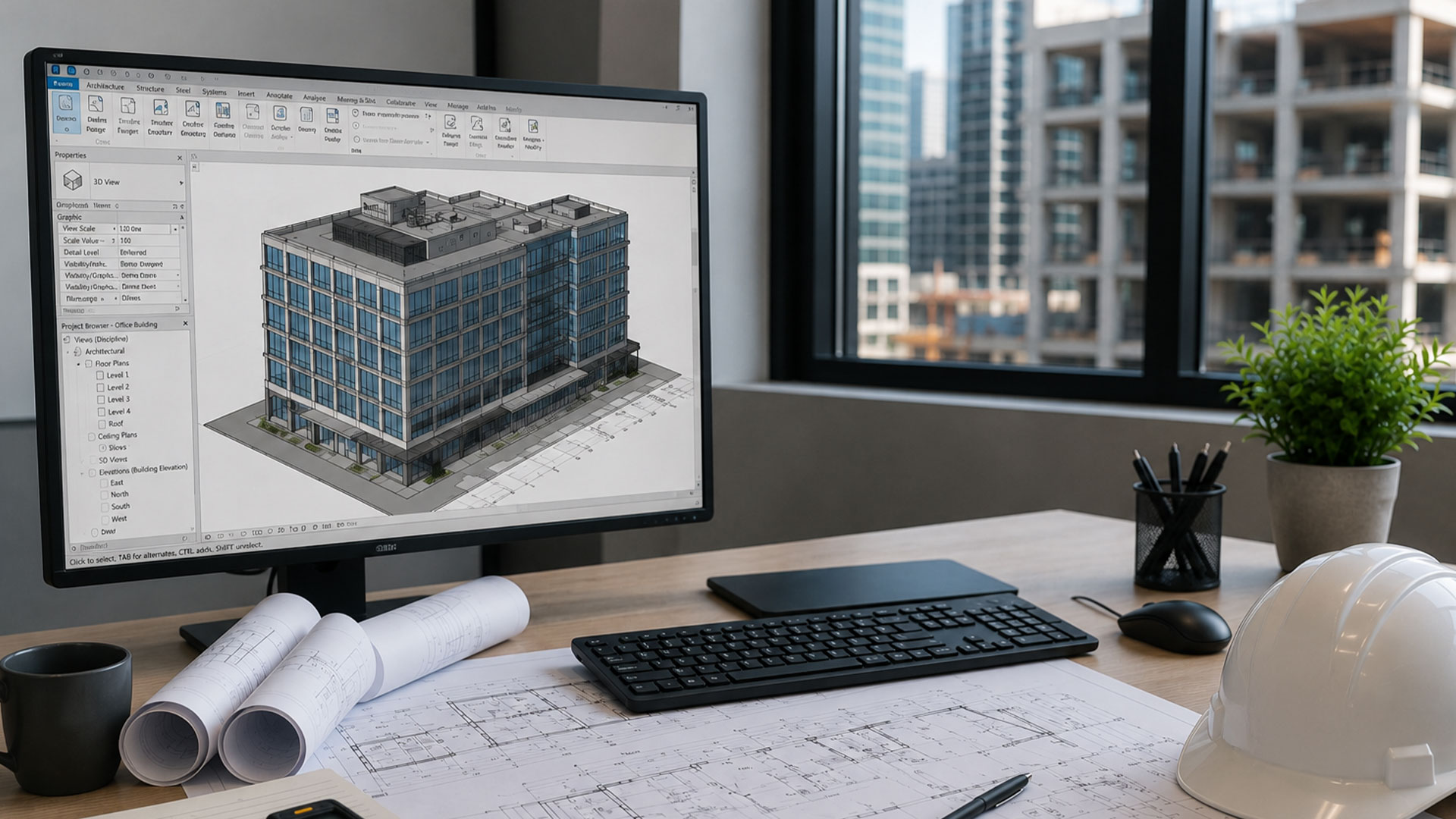
Building energy modeling helps project teams evaluate a building’s expected performance before construction or renovation begins. By analyzing factors such as insulation, HVAC systems, air leakage, windows, and overall energy consumption, project teams can make informed design decisions that improve efficiency, support code compliance, and reduce long-term operating costs. For builders, developers, and property owners across Ontario, early planning creates stronger, more predictable project outcomes.
This is where energy modeling and code compliance support become essential.
Effective building energy modeling gives project teams greater confidence before construction begins.
How Energy Modeling Supports Better Design
Energy modeling allows project teams to understand how a building is expected to perform before it is built or renovated. Instead of waiting until construction is complete to discover energy problems, modeling helps evaluate design decisions early. This may include building envelope performance, insulation levels, window selection, heating and cooling systems, ventilation, air leakage, and overall energy use.
Early building energy modeling reduces costly design revisions and improves project planning.
Code Compliance Starts During Planning
All Season Inspection provides energy modeling and code compliance support for projects that may require HOT2000, SB-12, SB-10, NECB, and CMHC MLI Select documentation. These services are especially valuable for builders, developers, designers, property owners, and multi-residential project teams across Toronto, North York, Vaughan, and Ontario.
For residential projects, energy modeling can support decisions about insulation, windows, mechanical systems, and building envelope performance. In Ontario, many housing projects must follow energy efficiency requirements that influence design and documentation. Having the right modeling support helps project teams prepare more accurate compliance documentation and avoid confusion during planning.
For larger residential, commercial, and institutional buildings, energy modeling becomes even more important. These projects often involve more complex systems, larger budgets, and stricter performance expectations. Decisions made early in the design phase can have long-term effects on operating costs, comfort, emissions, and future maintenance.
A common mistake is treating energy compliance as a final checklist item. In reality, it should be part of the planning conversation from the beginning. When energy performance is considered too late, project teams may need to revise drawings, change systems, adjust insulation strategies, or deal with avoidable delays. Early modeling helps reduce these risks.
Better Cost Planning Through Energy Analysis
Energy modeling also supports better cost planning. For example, a project team may compare different insulation levels, window types, HVAC options, or heat pump strategies to understand the potential performance impact. This does not simply help with compliance. It helps the owner make smarter investment decisions.
Professional building energy modeling allows owners to compare different energy-efficiency strategies before construction.
Supporting CMHC MLI Select Projects
Another growing area is CMHC MLI Select energy performance documentation for multi-unit residential projects. Developers and property owners may need qualified energy documentation to support application requirements. Because these programs and criteria can be technical, professional guidance helps project teams prepare stronger documentation and better understand the performance commitments connected to their project.
Energy Modeling for Building Retrofits
Energy modeling is also important for retrofit planning. Many existing buildings in Toronto and North York were not designed with today’s energy expectations in mind. Older multi-residential buildings, commercial properties, and institutional facilities may have opportunities to improve insulation, air sealing, HVAC performance, ventilation, and building envelope efficiency. Before investing in upgrades, owners need a clear understanding of where improvements can make the greatest difference.
This is where building performance consulting connects directly with energy modeling. A model can help show how a building performs. Consulting helps translate that information into practical decisions. Together, they support better retrofit planning, commissioning support, and building optimization.
HVAC Design and Building Performance
HVAC design and energy efficiency studies are also part of this bigger picture. A heating or cooling system should not be selected only by habit or rough estimate. Oversized systems can short cycle, waste energy, and create uneven comfort. Undersized systems may struggle to maintain indoor conditions. Heat loss and heat gain calculations, heat pump sizing, and feasibility studies help match system design to the actual building.
The result is better comfort, stronger efficiency, and smarter long-term performance.
For builders and developers, energy modeling can help create a more predictable project path. For property owners, it can improve confidence before investing in upgrades. For facility managers, it can support better maintenance and optimization planning. For designers, it can provide technical feedback that strengthens the final design.
In a market where energy efficiency, affordability, comfort, and sustainability matter more every year, energy modeling is not just a technical service. It is a strategic planning tool.
All Season Inspection helps clients move from uncertainty to clarity with professional energy modeling, code compliance support, building performance consulting, HVAC design studies, and related energy efficiency services.
Smarter buildings do not happen by accident. They begin with better data, better planning, and better performance decisions before construction or renovation begins.
Before you renovate, buy, lease, or manage a property, make sure hidden hazards do not stay hidden.
——
All Season Inspection– licensed by Natural Resources Canada (NRCAN)
🌐 www.allseasoninspection.com
📍 260 Edgeley Blvd, Unit 13B Vaughan, ON L4K 3Y4
——