

A commercial kitchen inspection can reveal building concerns that are easy to overlook in a busy restaurant environment. Kitchens place constant demands on ventilation, HVAC, plumbing, electrical systems, drainage, refrigeration, and building materials while also dealing with heat, humidity, grease, moisture, and heavy daily use.
A restaurant may look excellent from the dining room while important issues remain hidden behind kitchen walls, above ceilings, around plumbing lines, near ventilation systems, or beneath heavily used equipment areas. Understanding these conditions can be especially important before leasing, purchasing, renovating, or upgrading a restaurant property.
At All Season Inspection, we help restaurant owners, franchise operators, landlords, property managers, investors, and business buyers evaluate the building systems and environmental conditions that support commercial kitchen and restaurant operations.
A restaurant may look attractive from the dining area, but the real story is often behind the kitchen walls, above the ceiling, inside mechanical rooms, around plumbing lines, near ventilation systems, and under heavy-use equipment areas. Small hidden issues can turn into expensive repairs, business interruptions, tenant disputes, or renovation delays.
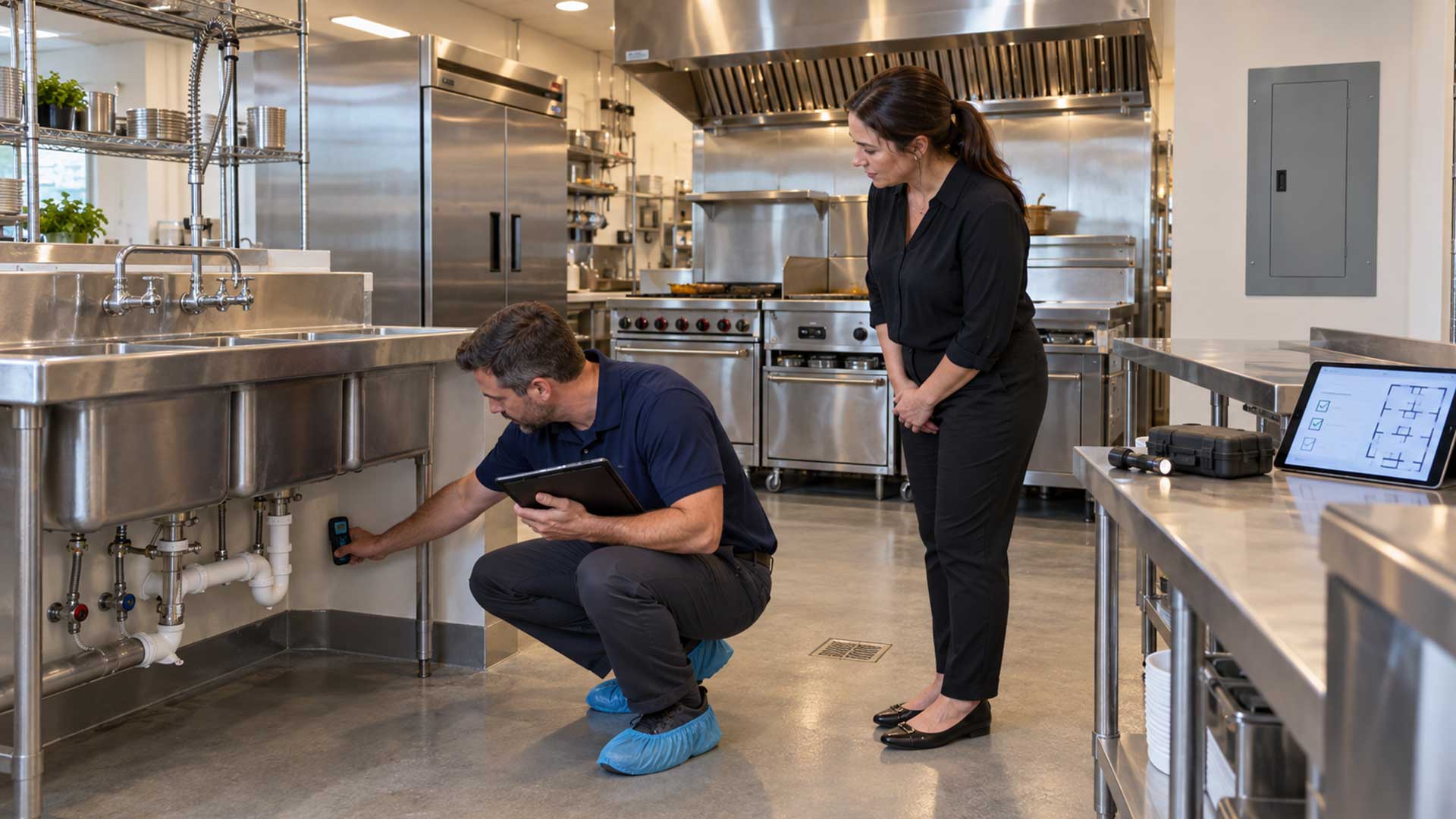
A professional commercial kitchen inspection can help identify visible concerns related to the building systems that support daily restaurant operations.
HVAC and Ventilation in a Commercial Kitchen Inspection
One of the most important areas is the mechanical and HVAC system. Commercial kitchens generate significant heat, steam, smoke, and odour. Proper airflow and ventilation are essential for comfort, air quality, and building performance. All Season Inspection can support building performance review, HVAC performance evaluation, ventilation system evaluation, and HVAC air quality assessment to help owners understand whether the space is performing properly.
Plumbing and Drainage Concerns
Another major inspection area is plumbing. Restaurants use water constantly for cooking, cleaning, dishwashing, washrooms, sinks, floor drains, and other daily operations. Plumbing concerns may include visible leaks, drainage problems, moisture around fixtures, water damage, or signs of poor maintenance. If left unchecked, these issues can create costly repairs and may contribute to mold or indoor air quality concerns.
Electrical Systems and Kitchen Equipment
The electrical system is also critical in a commercial kitchen. Restaurants often rely on multiple appliances, refrigeration units, lighting systems, point-of-sale systems, heating and cooling equipment, and kitchen equipment. A professional inspection can help identify visible concerns related to electrical components, system condition, and areas that may need further review by a licensed specialist.
A thorough commercial kitchen inspection considers how these heavily used building systems support the demands of daily restaurant operations.
Moisture, Mold, and Indoor Air Quality
Moisture is another common concern in restaurant and kitchen environments. Steam, leaks, spills, poor ventilation, roof issues, or plumbing failures can create conditions where mold or material deterioration may develop. All Season Inspection’s environmental testing services can support mold inspection and testing, indoor air quality assessment, moisture investigation, and environmental risk assessment when concerns are present.
Environmental Testing Before Restaurant Renovations
Older restaurant buildings may also require environmental awareness before renovation or demolition. If a restaurant owner, landlord, or contractor is planning to open walls, remove flooring, replace ceilings, or upgrade mechanical systems, there may be a need to understand whether hazardous or regulated materials are present. All Season Inspection provides asbestos sampling, lead paint and dust testing, and Designated Substance Survey reports for commercial and institutional properties. This can help support safer planning before construction or renovation work begins. When renovation is planned, a commercial kitchen inspection can also help identify areas where additional environmental testing or specialist assessment may be appropriate.
Energy Performance and Operating Efficiency
Energy performance is another important part of restaurant building operation. Commercial kitchens can consume significant energy through heating, cooling, ventilation, lighting, cooking equipment, refrigeration, and water heating. A commercial energy audit or building performance assessment can help identify energy waste, HVAC inefficiencies, heat loss, air leakage, and opportunities for smarter energy use.
For restaurant owners, this can support better cost control and long-term planning. For landlords and commercial property managers, it can help improve building performance and tenant satisfaction. For investors and business buyers, it can reveal whether the property may require future upgrades.
Restaurant Inspection Before Leasing or Buying
A commercial kitchen inspection may also support due diligence before signing a lease or purchasing a restaurant location. Many buyers focus on location, branding, décor, and customer potential, but the building itself can have hidden concerns. A due diligence inspection can help reveal whether the space has visible building defects, maintenance risks, moisture concerns, ventilation concerns, or performance issues that should be understood before making a financial commitment.
Thermal Imaging Can Reveal Hidden Concerns
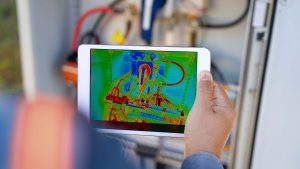
Commercial kitchens also benefit from thermal imaging inspection. Infrared thermal imaging may help detect temperature differences that suggest heat loss, insulation deficiencies, moisture intrusion, or building envelope concerns. In a restaurant environment, where moisture and temperature changes are common, this type of advanced diagnostic tool can provide valuable insight beyond what the eye can see.
Preventive Inspections Support Long-Term Planning
For property managers and landlords, preventive maintenance inspection can also be useful. Restaurants are high-use spaces, and waiting until a tenant reports a major issue may not be the best strategy. Regular professional inspection can help identify early warning signs and support better capital planning. Periodic commercial kitchen inspection can therefore become part of a broader preventive maintenance strategy for high-use restaurant properties.
One Inspection Strategy for Multiple Building Systems
All Season Inspection brings together commercial inspection, environmental testing, energy audit, building diagnostics, and building performance consulting under one professional team. This integrated approach is especially valuable for restaurants because kitchen spaces are affected by many systems at once.
A strong commercial kitchen inspection may help answer important questions:
Is the building condition suitable for restaurant use?
Are there visible plumbing, electrical, HVAC, or moisture concerns?
Is ventilation affecting comfort or indoor air quality?
Are there signs of mold, asbestos, lead, or other environmental risks?
Is the building wasting energy?
Are there hidden defects that could affect renovation or operation?
Does the property need further review before leasing, buying, or upgrading?
For restaurant owners, real estate agents, landlords, investors, and contractors, these answers can make a major difference.
A professional commercial kitchen inspection can provide valuable information before major operational, property, or investment decisions are made. Before you open, lease, buy, renovate, or upgrade a commercial kitchen or restaurant space, make sure you understand the building behind the business.
All Season Inspection helps you inspect smarter, plan better, and move forward with greater confidence.
All Season Inspection– licensed by Natural Resources Canada (NRCAN)
🌐 www.allseasoninspection.com
📍 260 Edgeley Blvd, Unit 13B Vaughan, ON L4K 3Y4